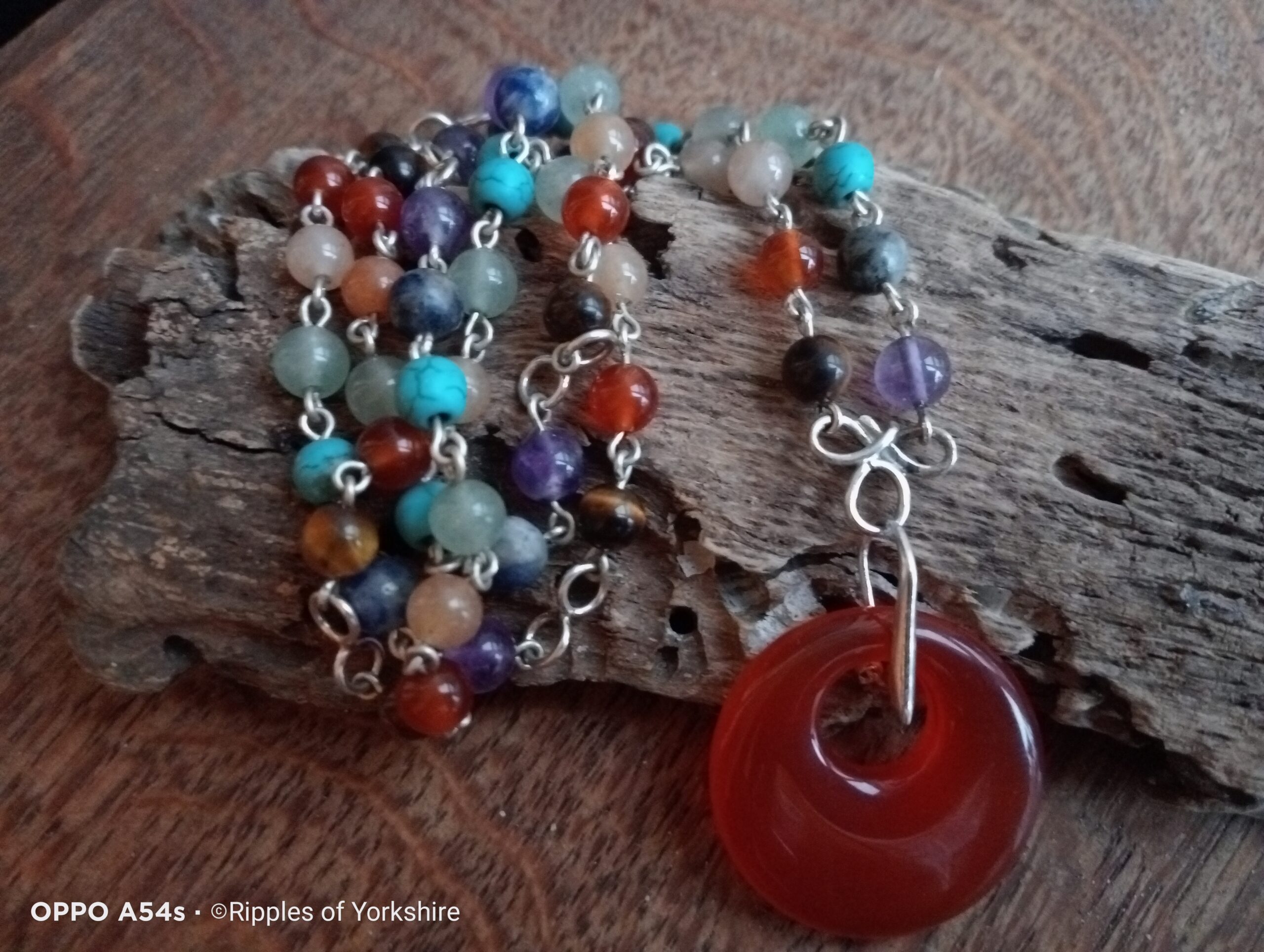


Chakras, the energy centres in our bodies, have a rich history and profound significance. Let’s explore their origins, meaning, and impact on health:
- Ancient Roots:
- The concept of chakras evolved over time, influencing various Hindu and Buddhist traditions and healing therapies.
- These beliefs collectively fall under Tantra, an ancient spiritual practice.
- In the early 20th century, European spiritualists and occultists began publishing books about Tantra, including chakras.
- Chakra Healing History:
- Chakra healing finds its foundation in the concept of chakras.
- Ancient civilizations (such as Hinduism, Buddhism, and Taoism) recognized and worked with chakras to balance and align the body’s energy centres.
- These practices aimed to promote physical, emotional, and spiritual well-being.
- What Are Chakras?:
- The word “chakra” in Sanskrit means “disk” or “wheel.”
- Chakras represent subtle energy centres in our bodies.
- There are seven major chakras, each associated with specific aspects of our being .
- The 7 Main Chakras:
- Root Chakra (Muladhara): Located at the base of the spine, it provides a foundation for life, grounding, and stability.
- Sacral Chakra (Svadhisthana): Below the belly button, it relates to sexual energy, creativity, and emotions.
- Solar Plexus Chakra (Manipura): In the stomach area, it influences confidence, self-esteem, and control.
- Heart Chakra (Anahata): Near the heart, it governs love, compassion, and emotional well-being.
- Throat Chakra (Vishuddha): Located in the throat, it affects verbal communication and self-expression.
- Third Eye Chakra (Ajna): Between the eyebrows, it enhances intuition and inner wisdom.
- Crown Chakra (Sahasrara): At the crown of the head, it connects us to higher consciousness .
-
- Root Chakra (Muladhara):
- Colour: Red
- Meaning: Symbolizes safety, survival, grounding, and nourishment from Earth energy.
- Associated with: Physical vitality and stability.
- Sacral Chakra (Svadhisthana):
- Colour: Orange
- Meaning: Associated with emotions, creativity, sexuality, and water flow.
- Influences: Passion, sensuality, and artistic expression.
- Solar Plexus Chakra (Manipura):
- Colour: Yellow
- Meaning: Symbolizes mental activities, intellect, personal power, and will.
- Impacts: Confidence, self-esteem, and decision-making.
- Heart Chakra (Anahata):
- Colour: Green
- Meaning: Connected with love, compassion, integration, and relating.
- Promotes: Emotional balance and empathy.
- Throat Chakra (Vishuddha):
- Colour: Blue (sapphire blue or turquoise)
- Meaning: Represents self-expression, truth, communication, and creativity.
- Encourages: Clear communication and authentic voice.
- Third Eye Chakra (Ajna):
- Colour: Purple (or deep indigo)
- Meaning: Evokes intuition, extrasensory perception, and inner wisdom.
- Enhances: Insight and spiritual awareness.
- Crown Chakra (Sahasrara):
- Colour: White (sometimes purplish white)
- Meaning: Associated with the universal, spirituality, and consciousness.
- Connects to: Higher realms and divine wisdom.
Remember, these colours reflect vibrations radiating through the chakras, impacting our physical, emotional, and spiritual well-being.
- Root Chakra (Muladhara):
In summary, chakras are ancient energy centres that impact our physical, mental, and emotional states. Balancing and understanding these subtle wheels of energy can lead to holistic well-being.